Challenges Faced with Graphic Design in Online
Cryptocurrency Casinos
Planning Your Ultimate French Riviera Road Trip from Nice in 2026: Scenic Routes, Hidden Gems, and Luxury Coastal Drives
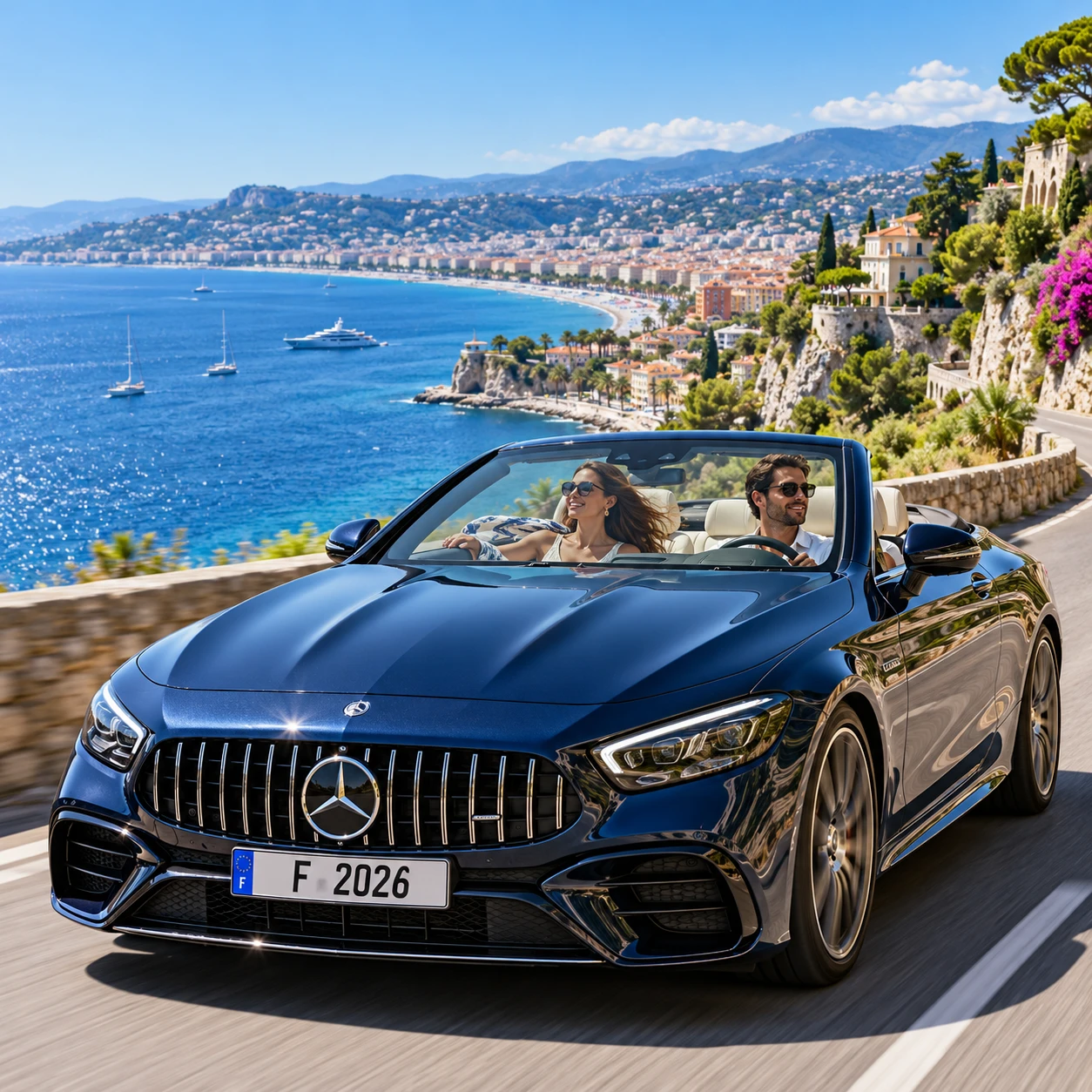
For me, the French Riviera works best when it’s experienced from behind the wheel. Starting in Nice, a 2026 self-drive escape gives American travelers the freedom to move between turquoise Mediterranean coves, sun-washed villages, cliffside landmarks, and the foothills of the Maritime Alps without tying every day to a train schedule. The region is compact, but it isn’t one single destination. It’s a chain of dramatically different landscapes: the elegant harbor of Villefranche-sur-Mer, the medieval lanes of Èze, the glittering principality of Monaco, the old streets of Antibes, and quiet inland roads winding toward Grasse. I like the fact that one drive can take me from a busy port to a hillside village without much more planning than choosing the next turn.
Nice makes a particularly practical starting point. The airport is easy to reach from major U.S. cities, major rental agencies have convenient counters nearby, and the road network opens in several directions. I can build a relaxed weekend around the Corniche, create a four- or five-day scenic loop, or extend the drive into the mountains and Provence. The key isn’t to try to see everything at once. I’d rather choose a few places and give them the time they deserve. A little breathing room in the itinerary usually makes the trip feel better, too.
Why Nice Is the Perfect Starting Point for a French Riviera Road Trip
Nice sits between the sea and the mountains, giving travelers an immediate taste of the Riviera’s variety. The Promenade des Anglais provides an easy introduction to the coast, while the old town leads toward markets, bakeries, and restaurants where I can pause without getting behind the wheel. Just beyond the city, the road begins climbing and bending toward Villefranche-sur-Mer, one of the most photogenic introductions to the Côte d’Azur. It’s an easy place to get oriented before the scenery starts opening up.
From Nice, the western Corniche leads toward Monaco, while the eastern coast road provides access to Cap d’Antibes, Cannes, and the beaches beyond. Inland routes reveal another side of the region, including perfumed villages around Grasse and mountain passes with views toward the Alps. Because these landscapes sit so close together, a two-day escape can feel rewarding, but a full week allows time for swimming, museums, long lunches, and scenic detours. My rule is simple: keep the route flexible, then let the weather, traffic, and mood decide what comes next.
What Makes a Riviera Drive Memorable in 2026
The defining moments are often simple: pausing at a sea overlook, following a bend around a rocky headland, watching sunlight reach the harbor, or finding a shaded terrace after a climb into the hills. Èze provides stone lanes and sweeping views, Antibes adds history and waterfront calm, and Monaco delivers grand architecture and polished urban energy. Farther along the coast, quiet coves and smaller harbors can feel especially rewarding because they’re less crowded than the headline destinations. The less famous stops tend to stay with me longer, too.
Timing matters in 2026. I try to reach major viewpoints before 9:30 a.m., reserve restaurants well ahead during July and August, and use weekday travel where possible. The same road can feel remarkably different before breakfast than it does at sunset in peak season. Planning the demanding stops in advance leaves more room for the spontaneous discoveries that make a road trip memorable. Sometimes that discovery is a tiny roadside café; sometimes it’s a view that wasn’t on the original list. You don’t need a packed schedule to remember a place.
Planning the Route, Timing, and Logistics
Spring and early fall are usually the easiest periods for a flexible drive, offering comfortable temperatures, generally lighter crowds, and a mixture of coastal and mountain scenery. Summer is beautiful but busy, especially around Monaco, Cannes, and the busiest Corniche viewpoints. Winter can be excellent for travelers seeking fewer crowds, although mountain roads may require chains or winter equipment when conditions demand them. I tend to choose spring or early fall for more breathing room, though winter has its own appeal when the roads are clear.
Americans should verify whether their driving license is accepted in France and whether an International Driving Permit is required by their rental company or insurer. The permit is generally used alongside a valid home-country license rather than replacing it. Rental insurance, roadside assistance, and coverage for vehicle upgrades should all be confirmed before departure. I’d rather deal with those details at home than discover an unfamiliar requirement at the rental counter. It’s one less thing to think about while navigating unfamiliar streets.
I also plan for several practical realities. French toll roads usually accept major credit cards, fuel is sold by the liter, and parking can be expensive and scarce in old towns. Monaco has particularly tight spaces and high costs, so using a park-and-ride option can make sense. Cross-border travel is generally convenient, but drivers should confirm the rental company’s authorization and insurance coverage before entering Monaco or Italy. None of this is complicated once it’s written down, and it saves a lot of last-minute searching.
Choosing a Route Length and Pace
With two days, I would concentrate on the western Corniche. A loop from Nice through Villefranche-sur-Mer, Cap-d’Ail, Èze, Monaco, and Antibes offers dramatic scenery without requiring relentless transfers. Two full days are better used with an early departure, a long coastal lunch, one or two unhurried town visits, and an overnight stay near Antibes or Cap d’Antibes. I’d rather spend a night in one beautiful place than rush through three mediocre ones.
A four- or five-day itinerary makes room for Gourdon, Grasse, the perfume country, and either the inland roads around Vallauris or the higher passes toward the Maritime Alps. I include at least one flexible half-day without a fixed booking. That space can become a market visit, a swim, a long lunch, or an afternoon detour when a road or viewpoint looks appealing. It’s also a useful pressure valve when the famous sights start feeling crowded. Some of my favorite moments have come from those unplanned hours.
A seven-day journey opens the route toward Saint-Tropez, the Luberon, or Provence. It suits travelers who want to experience the Riviera gradually rather than simply complete the famous coastal circuit. Because summer traffic between Cannes and Saint-Tropez can be intense, I would leave early, travel slowly, and plan overnight stops instead of trying to make one long push. There’s no prize for reaching the next town before everyone else.
Essential Driving and Booking Checklist
Before leaving the United States, I confirm the following:
- Passport validity, driver’s license, and any required International Driving Permit
- Rental insurance, roadside assistance, and cross-border permissions
- Automatic or manual transmission preference, especially for hill starts
- Navigation app with offline French maps downloaded
- Contactless payment card for tolls, fuel, parking, and reservations
- Accommodation with parking, particularly in historic villages
- Dinner, tasting, museum, and guided-tour reservations for peak dates
- Current road conditions before mountain or seasonal excursions
The Ultimate Scenic Drive from Nice Along the Côte d’Azur
My favorite western Riviera drive starts early in Nice and follows the bay toward Villefranche-sur-Mer. The harbor appears first, enclosed by hills and filled with small boats, followed by coastal roads that rise above the water. At Cap-d’Ail, I take time for the harbor and sea views rather than treating the town as a quick photo stop. The place rewards a slower look. I find somewhere to park, stretch my legs, and let the harbor do the talking for a while.
The road then climbs toward Èze. Its narrow lanes reward walkers more than drivers, so I park once and explore on foot, including the garden at the summit and the village’s celebrated panoramic outlook. From there, the descent toward La Turbie delivers views across the coast before the scenery changes again around Monaco. The walk is worthwhile, even with narrow streets and traffic nearby. I leave the car behind and take the view at my own pace.
Monaco is best experienced as a brief, purposeful visit. I explore the Rock District, palace district, harbor, and oceanfront areas, then continue toward Cap-d’Ail and Antibes. The Grand-Hôtel du Cap-Ferrat area offers another memorable coastal pause. Antibes feels more relaxed, with narrow old-town streets, fishermen’s quarters, and the scenic Château de la Pinède nearby. Monaco is worth seeing, but I wouldn’t linger there all day unless parking and traffic cooperate.
Coastal Towns, Coves, and Mediterranean Viewpoints
Short detours make this route richer than a straight line between famous towns. Near Villefranche-sur-Mer, I look for elevated views over the deep blue harbor. Around Cap d’Antibes, the shoreline road leads toward secluded coves and coastal paths that are more rewarding when visited early in the day. In Antibes, the royal residence gives a different perspective on the town, while the waterfront is ideal for an unhurried promenade. These smaller pauses are what keep the drive from feeling like a checklist.
At Monaco, I spend time near the harbor and Fontvieille, although I wouldn’t recommend chasing traffic through every district. A reserved parking area or park-and-ride outside the principality can save considerable frustration. By late afternoon, the road continues toward Cannes, where the Croisette and the old harbor provide a memorable finish to a full coastal day. I try to leave Monaco before the evening traffic builds, then settle in for dinner rather than adding another crowded stop.
Hidden Gems and Inland Escapes Beyond the Beaches
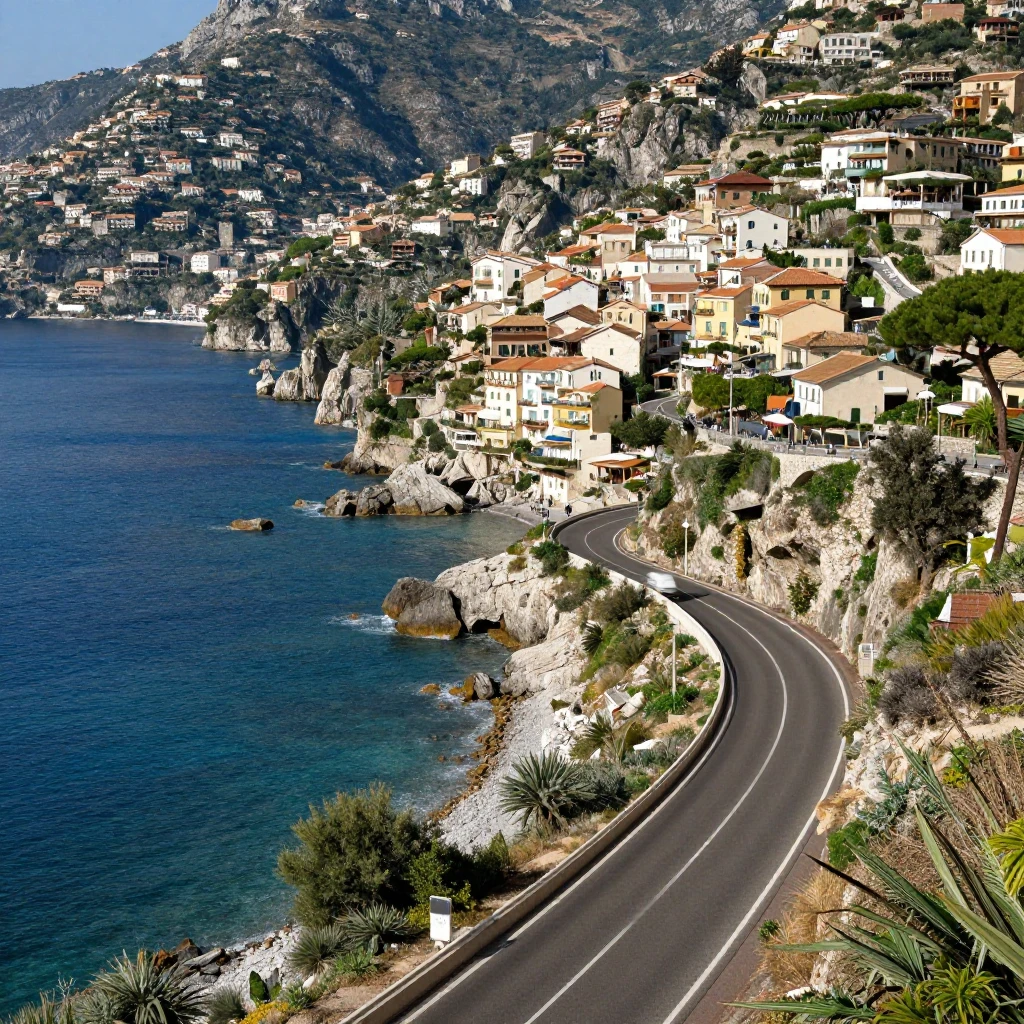
The most rewarding detours often begin where the main coastal traffic thins. Gourdon, for example, is quieter than Èze but offers beautiful views, a historic atmosphere, and a peaceful break from the larger towns. The roads around Vallauris lead into pottery villages and green hillsides, creating a gentler rhythm than the Corniche. It’s the sort of change of pace that makes a longer route feel worthwhile. Inland roads don’t always deliver bigger sights, but they give the trip room to breathe.
Near Grasse, I explore the perfume country through small perfume houses, historic centers, and flower-growing landscapes. These visits are especially memorable when paired with a local market and a bistro lunch rather than scheduled as a long checklist of attractions. It is also possible to reach hilltop villages with sweeping Alpine views without entering the highest mountain passes. Sometimes the less ambitious route delivers exactly the right amount of scenery. That’s not a compromise; it’s often the better choice.
A Quieter Riviera for Off-Peak Discovery
Early morning is the best time to discover smaller settlements, local markets, family-run restaurants, historic chapels, and nature reserves. Markets offer a more immediate sense of daily life, while a coastal walk can reveal beaches inaccessible or overlooked from the road. Shoulder-season travel offers the same rewards with fewer vehicles, although popular viewpoints and restaurants may have reduced hours. I confirm opening schedules locally rather than assuming every attraction operates year-round. The details can change, and a quick check avoids arriving at a closed gate.
Mountain Roads and Year-Round Scenic Excursions
For travelers with more time, the route can continue into the Maritime Alps or Provence. The Col de la Couillole area offers high panoramas, but weather can change quickly and some roads close seasonally. I check official road conditions, fuel and charging locations, and the latest weather before leaving Nice. Mountain lanes may be narrow, steep, or bordered by cyclists, so I select wider routes when possible and never force a tight passage just to save a few minutes. A detour is only worth it if the drive itself feels comfortable.
Choosing the Right Vehicle and Elevating the Journey
A compact car is often the most practical choice for two people following the main Riviera roads. It’s easier to park in places such as Èze, Antibes, and Monaco, and it consumes less fuel on repeated urban stops. An SUV provides more luggage space and comfort for mountain routes or a family group, though it can feel cumbersome in historic villages. Convertibles make coastal drives in spring and fall especially memorable, but they’re less convenient for families, large bags, or hot midday driving. I choose based on the trip, not the photograph.
Premium vehicles add comfort on longer routes, airport transfers, and celebratory trips. They also make panoramic drives feel more special without demanding that every traveler be an expert mountain driver. I would still choose a model that fits narrow streets rather than selecting the largest vehicle available. Luxury shouldn’t make the practical parts of the trip harder. Comfortable seats, smooth handling, and a car that fits the route are worth more than a dramatic profile photo.
Luxury Car Rental Options in Nice
For a premium Riviera journey, I compare luxury car rental options in Nice. The Nice Super Car Rental listing gives me a useful place to review traveler experiences and assess the operation before making a reservation. I pay particular attention to comments about vehicle condition, pickup procedures, transparency, and support after the initial handover. Those details usually tell me more than a glossy photo ever could. I also want to know whether the handoff is straightforward and whether the rental company stays helpful if the schedule changes.
Driving Safely on the Riviera
U.S. drivers should relearn European habits rather than relying on autopilot assumptions. At many unmarked intersections, priority may come from the right, while roundabouts usually give priority to traffic already circulating. Speed limits vary by road and weather, pedestrian crossings require careful attention, and restricted urban zones may be enforced by cameras. Cyclists can appear quickly around bends and through villages. I avoid phone use, leave additional space behind bicycles, and keep passports and valuables out of sight whenever the car is unattended. The narrow roads make patience more useful than rushing.
Where to Eat, Stay, and Pause Along the Route
Waterfront restaurants are ideal for lunch, especially in Villefranche, Antibes, and Cannes, but popular dining rooms in Monaco and Èze often require reservations. In smaller villages, a relaxed bistro may be easier to find on short notice. Michelin-caliber meals are worth planning for a special evening, while markets and casual terraces keep the itinerary grounded in local life. I like having both options available. A table by the water is lovely, but I’m happy with a simple lunch when the view is quiet.
I look for accommodation with secure parking rather than assuming every historic village hotel has room for a car. A stay near Antibes provides a beautiful base for coastal sights, while Grasse and Gourdon suit travelers who prefer quieter evenings. Monaco is convenient for nightlife but less relaxed for parking. I also check how far the hotel sits from the final stretch of road, especially when I’d rather walk to dinner than navigate another crowded center.
A Sample Four-Day Riviera Itinerary
Day 1: Nice to Monaco and Èze. I collect the rental car, drive east to Villefranche-sur-Mer, and continue along the Corniche through Cap-d’Ail. After exploring Èze on foot, I descend to Monaco for the harbor, palace district, and dinner. The round trip from Nice takes roughly two to three hours of driving, depending on traffic. Starting early gives me more time in Èze without turning the day into a race.
Day 2: Antibes and the coastal return. I begin near Cap d’Antibes, then visit Antibes and its old town. The route back toward Nice can include a scenic lunch stop or a short coastal walk. Drivers who prefer fewer urban drives can use an open-top sightseeing bus and boat excursion between Nice and Monaco. I like this option when I want more time walking and less time circling for parking.
Day 3: Gourdon, Grasse, and the perfume country. This quieter day follows the hills through Gourdon and toward Grasse. I reserve a perfume workshop, visit a market when possible, and allow time for a long lunch. The total driving is moderate, with extra time needed for narrow roads and village traffic. There’s no need to fill every hour; the slower pace is part of the attraction.
Day 4: Cannes, Saint-Tropez, or an inland alternative. For a memorable finale, I drive toward Cannes and continue to Saint-Tropez if traffic and reservations allow. Travelers without a car can take an optional coastal boat excursion. Those preferring scenery over famous sights can instead explore quieter roads around the Luberon or return inland toward Provence. Either way, I’d end the trip with enough time to pull over properly and enjoy the final view.
Conclusion: A 2026 Road Trip Worth Taking Slowly
The French Riviera is at its best when the journey receives as much attention as the destinations. A well-planned drive from Nice lets me linger in a hilltop village, stop for an uncrowded swim, find a roadside viewpoint, and enjoy dinner without rushing toward the next landmark. For 2026, I would reserve high-demand experiences early, confirm rental and insurance details, choose a vehicle suited to the group, and preserve enough flexibility for the coast to reveal itself unexpectedly. The best Riviera road trip isn’t a race between landmarks. It’s a sequence of scenic journeys designed to be enjoyed slowly. And that’s exactly why I’d plan to leave room for the road.