Challenges Faced with Graphic Design in Online
Cryptocurrency Casinos
Best Rural Hotels in Andalusia, Spain: A 2026 Guide to Escaping the City and Reconnecting with Nature
Look at where people are actually choosing to travel in 2026, and the pattern isn't subtle: we want space, quiet, and air that doesn't taste like exhaust. If you're an American traveler who's hit a wall with city life, trading the urban grid for the rolling hills of southern Spain isn't just a good idea — it might be exactly what you need right now. This is my 2026 guide to the best rural hotels in Andalusia, where slowing down isn't a compromise. It's the whole point.
Why Andalusia's Countryside Is the Ultimate Rural Escape in 2026
Andalusia built its reputation on cities — Seville, Granada, Córdoba. But in 2026, the countryside is finally getting the attention it's always deserved. I've been writing about this region for years, and the shift I'm seeing now is real. More American visitors are choosing 'slow travel' over packed itineraries, spending a full week in one valley instead of sprinting between five cities. And honestly? They come back happier for it — every time.
The landscape here is genuinely hard to summarize in a sentence. Within a few hours' drive, you can go from the snow-capped peaks of the Sierra Nevada to the endless silver-green olive groves of Jaén, or the cliff-hugging white villages of Cádiz. That kind of range is rare. Whether you want to push yourself on rugged mountain trails or just sit with a glass of local wine while the sun drops behind a valley, Andalusia has the backdrop — and then some.
What Makes a Great Rural Hotel in Andalusia
A good rural stay here isn't just about being outside the city. The properties that actually stick with you are the ones that feel rooted in their surroundings — not dropped into a field, but grown from it. I'm talking about farm-to-table meals where the olive oil came from trees you can see from your table, and the tomatoes were picked that same morning. That's not marketing copy. That's just how the best places operate.
Beyond the food, the best rural hotels give you direct access to nature — trails, natural parks, cycling routes — without making you work for it. And then there's the hospitality. Andalusian warmth isn't a cliché; it's something you feel the moment you arrive, and it's one of the things that keeps people coming back year after year.
Cortijos, Haciendas, and Cave Houses — Understanding the Property Types
When you start browsing accommodation, you'll run into some terms that don't have clean English equivalents. Here's a quick breakdown:
- Cortijos: Traditional farmhouses, usually built around a central courtyard. Cozy, rustic, and typically surrounded by working agricultural land.
- Haciendas: Historically larger than cortijos — these were major olive-growing estates. Many have been converted into boutique rural hotels with serious grounds and a bit more polish.
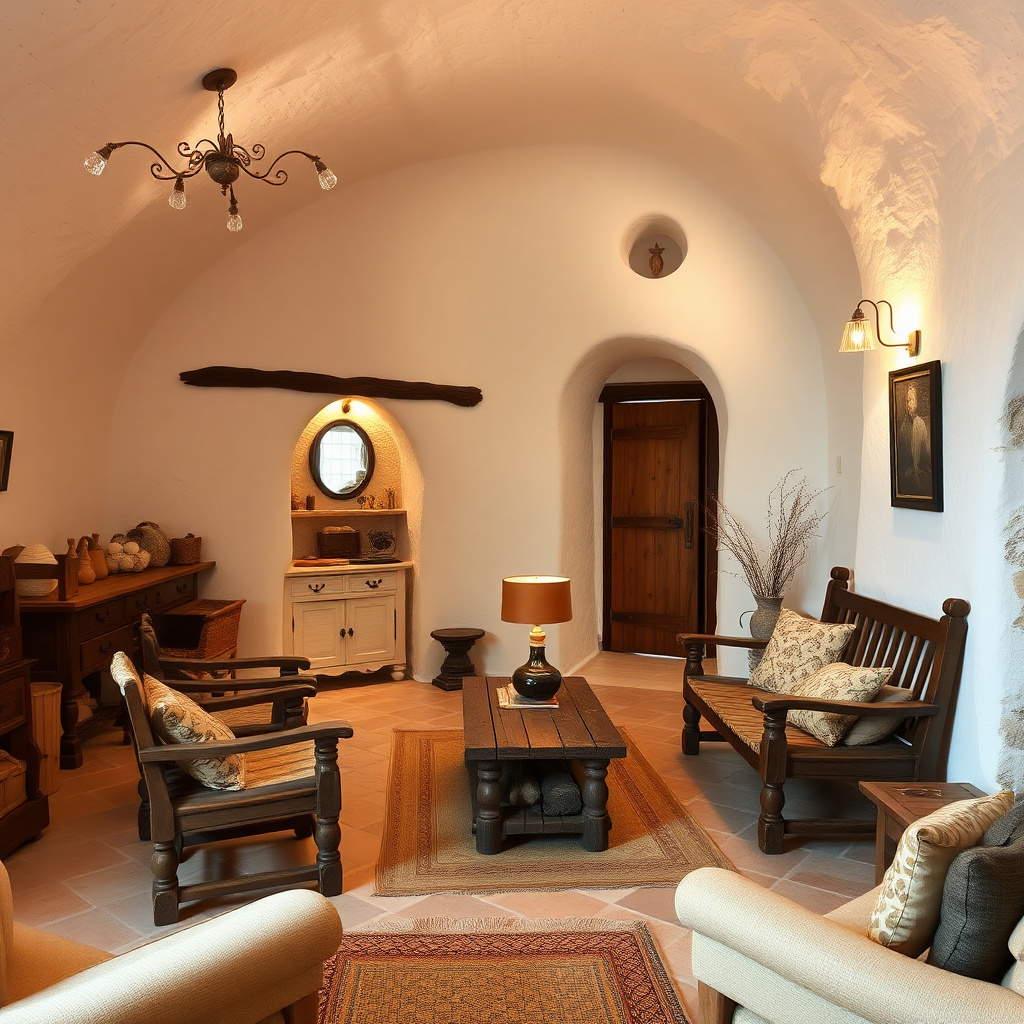
- Cave Houses (Casas Cueva): Found mainly in Granada and Almería provinces, particularly around Guadix. Carved directly into the rock, they stay naturally cool in summer and warm in winter. Staying in one is a genuinely different experience — quiet, dim, and oddly comforting in a way that's hard to explain until you've actually done it.
Top Rural Hotels in Andalusia for 2026
Picking the right base matters more than most people realize. I've spent years narrowing down the properties that actually deliver on what rural Andalusia promises — peace, real culture, and nature right outside the door. These are the ones worth your time.
Rural Stays Along the Via Verde de la Sierra (Cádiz Province)
If you're an active traveler, the greenway corridor between Olvera and Puerto Serrano is something special. The Via Verde de la Sierra is a 36-kilometer converted railway line that cuts through river valleys, old tunnels, and dramatic viaducts. No motorized traffic — just cyclists, walkers, and the occasional horseback rider. It's one of those routes where you keep stopping because the view around the next bend is better than the last.
For this stretch, there's one place I keep recommending: https://hotelviaverdedelasierra.es/. It sits directly on the trail, which sounds simple but makes a real difference — you wake up, grab a bike from the trailhead, and you're already in it. The accommodation is genuinely Andalusian, not a sanitized version of it. Spending a day riding out to the griffon vulture colonies at the Peñón de Zaframagón and coming back to a proper meal here is, without exaggeration, one of the better days I've had in Cádiz province.
White Village Retreats in the Sierra de Grazalema
For limestone mountains and old-growth forests, the Sierra de Grazalema Natural Park is hard to beat. The rural hotels tucked into and around the pueblos blancos — Grazalema, Zahara de la Sierra, Ronda just over the border in Málaga — offer views that stop you mid-sentence. This is prime territory for birdwatchers and hikers; eagles are common, and the rare Pinsapo fir forests are unlike anything else in Europe. The retreats here tend to be small and personal, with panoramic terraces that earn their keep after a long day on the trails.
Best Regions in Andalusia for a Rural Hotel Stay
Here's a quick geographic breakdown to help you figure out where to focus your 2026 itinerary:
- Sierra Nevada & The Alpujarras (Granada): Best for high-altitude hiking and Moorish history. The terraced hillside villages here feel like they belong to a different century.
- Sierra de Aracena (Huelva): A green, forested stretch near the Portuguese border. Famous for chestnut woods and some of the best Iberian ham (Jamón Ibérico) you'll find anywhere.
- Axarquía (Málaga): A solid pick if you want rural character but still want the Mediterranean coast within reach. Mango and avocado orchards alongside traditional white villages — it's an odd mix that somehow works.
- Cádiz Interior: The core of the pueblos blancos and greenway country. Active tourism and slow food culture in the same place, which is a combination that's genuinely hard to find elsewhere.
How to Plan Your Rural Andalusia Trip from the US in 2026
A few things worth knowing before you book. Timing matters more here than in most destinations. Spring (April to June) and fall (September to November) are the windows I'd target — mild weather, manageable crowds, and landscapes that are actually green. The summer heat in inland Andalusia is no joke, and it can genuinely limit what you're able to do outdoors.
Getting there is straightforward. Fly into Madrid and take the high-speed AVE train south, or find a connection through a European hub into Málaga (AGP), Sevilla (SVQ), or Granada (GRX). Once you're there, rent a car. I can't stress this enough — the bus network handles city-to-city fine, but getting to an isolated cortijo or a natural park trailhead without your own wheels is a real headache. And book early. Rural tourism in Andalusia has been growing steadily, and the good properties fill up fast, especially around Easter (Semana Santa) and the fall harvest season.
What to Do Beyond the Hotel — Activities and Experiences
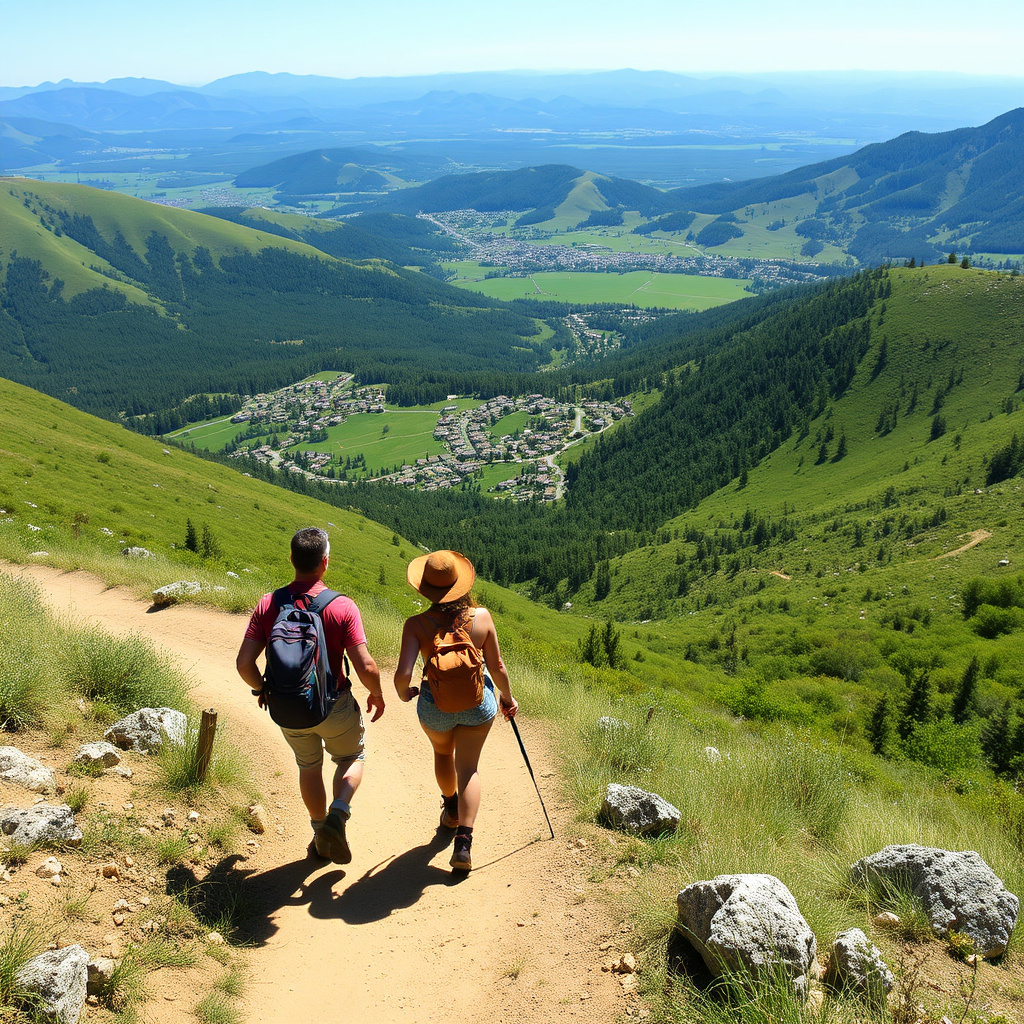
The hotel is your base, not your destination. It's tempting to just stay put — a book, a pool, olive trees in every direction — and I won't pretend that's a bad day. But the real value of Andalusia is in getting out. Mornings on the trails of the Sierras Subbéticas or on a greenway bike route. Afternoons at a village market picking up local cheese and honey from people who made it themselves.
Don't skip the olive oil mill tours (almazara visits). Tasting fresh-pressed oil straight from the source reframes everything you thought you knew about the stuff. And if you're anywhere near Jerez, a sherry tasting at a countryside vineyard is worth half a day. For history, hire a local guide for a walking tour of the white villages — the Roman, Moorish, and Christian layers here go deep, and having someone who knows the stories makes it land differently.
Tips for Choosing the Right Rural Hotel for Your Travel Style
The right property depends entirely on what you're actually looking for. A few honest pointers:
- For Couples: Adults-only boutique haciendas with private terraces, spa access, and dinners built around local ingredients. That's the formula. It works.
- For Solo Hikers: Location is everything. A modest cortijo or guesthouse sitting directly on a trail network — like the Via Verde — will serve you better than a fancier place that requires a drive to reach the trailhead.
- For Families: Look for working farms (agroturismo) where kids can actually do things — feed animals, pick vegetables, run around. Big pools and family suites help too.
- For Remote Workers: Don't assume rural means reliable Wi-Fi. It often doesn't. Check recent reviews specifically about internet speed, and ask the host directly about dedicated workspaces before you commit.
Rural Andalusia runs on its own clock — sunrise, sunset, the rhythm of the seasons. Find the right hotel, get out of your own way, and let it do its thing. It's a pretty good deal.